To Be Human is To Be Durable
You were built for a specific point in time
Hardware and firmware up to modern snuff
Placed in a market of similar products of their own varying featuresTechnology just isn’t the same when seen through a different era
Too old and you’re just a relic of history, meant to be displayed, the original value lost
Too new isn’t an error of underutilization but expectation you simply can’t meet
Even then, in your own time, demand is made out of ambition more than understanding
And ever-growing it isBut there is no warranty on your life
Predetermined timeframe of utility
Much as we are built to be replaced
So too are we built to last as long as possible
Kabuto, the Shellfish Pokémon
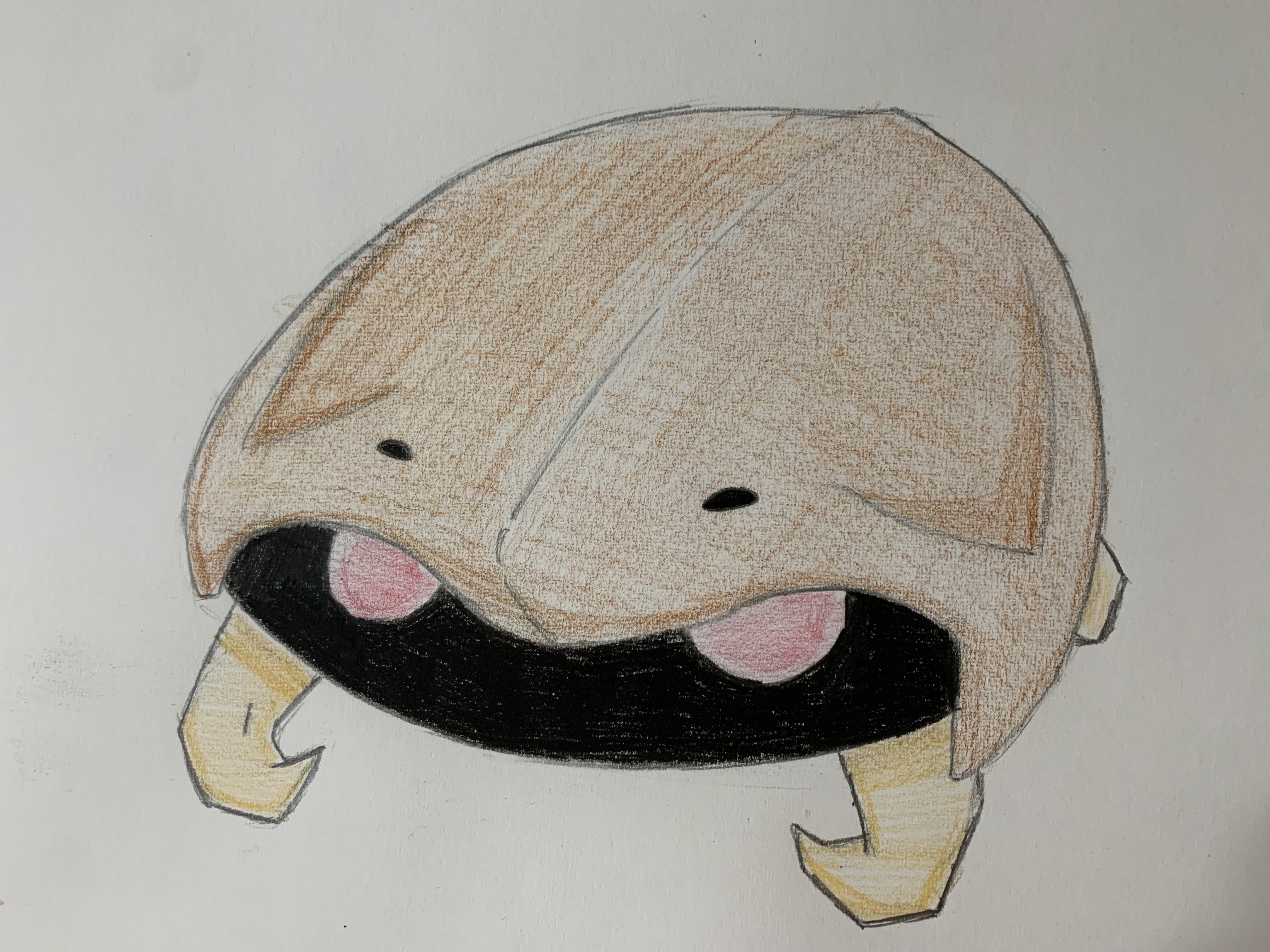
“Studied alongside its fellow aquatic compatriot Omanyte, the discovery and revival of Kabuto has shed much light on the ecosystem of our planet’s past. This species has a much sturdier shell than Omanyte do, and like Shellder and other species they would bury themselves in the sand to leave predators and enemies with only their tough exterior to attack unsuccessfully. Thanks to a pair of eyeholes on the front end of their shell, Kabuto can watch above them to know when their assailants have finally left and they are free to move again. If a predator were to flip a Kabuto over, the Shellfish Pokémon would be unable to right itself or move, leaving their softer underbelly and body exposed to their attacker.”
“It is also rumored this Pokémon never went extinct in the first place. While most of the specimens we can locate were recreated from fossils or are the offspring of revived Kabuto and Kabutops, reports across the world suggest Kabuto had been found naturally in the wild, encountered in underwater caverns far off the shores of several regions. Solid proof of these sightings has yet to fully surface, as like the Omanyte there have been incidents where individual Kabuto have escaped captivity and scurried into the wild. They, too, can be found living in the southern wilds of Galar alongside many other revived fossil species, and we do not know why this location specifically has drawn all these species into the same habitat.”