Survival From The Fittest
The world is dangerous and punishing
The sun could broil us on stainless steel
The ocean, waterboard us, for the waste we shoved down his throat
The land, we’ve always had a rocky relationshipSurvival is not guaranteed
Not promised nor earned
It is fought for
Every second, hour and dayThe world is dangerous and punishing
By nature, inhuman or such
Mountains to climb, by foot and by status
A working man’s hands, bleeding, regardlessSurvival is not guaranteed
But we try, every time, to ensure it
It is fought for
No matter the mountain placed in front of us
Sandshrew, the Mouse Pokémon
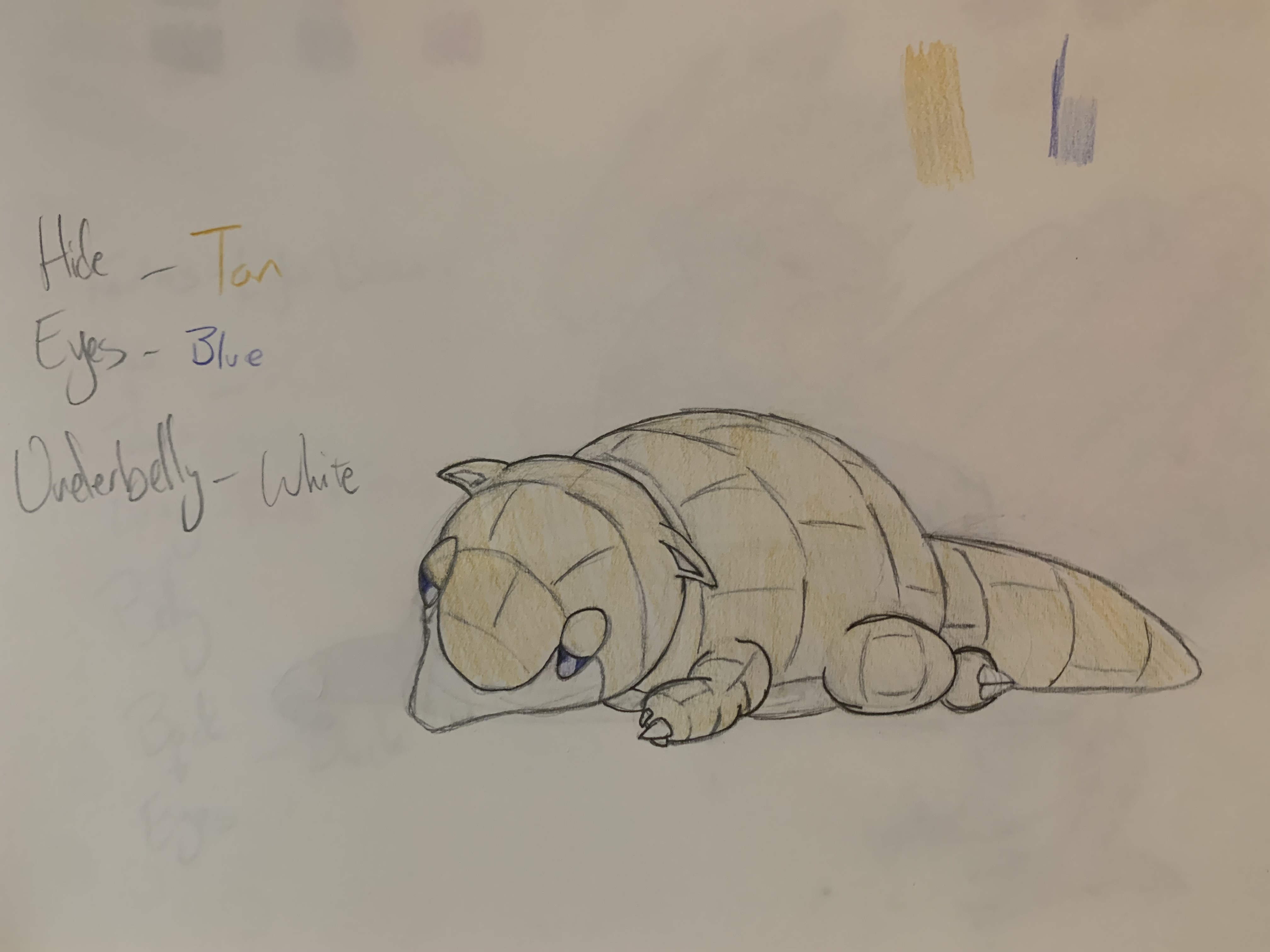
“A Sandshrew’s hide is a tough bugger to break. Due to living in dry, arid and sandy locations far away from any natural body of water, constant exposure to direct sunlight, again strengthening it against the ground as the curl into a ball and roll around for fast traversal, the back of a Sandshrew’s body is impeccably strong. It can deflect most any attack with its hide, including fangs and blades of much larger and stronger Pokémon, preventing them from digging into its flesh. Because they rely on their backs so often, many wild Sandshrew can be found simply sunbathing and relaxing, letting any water evaporate under the sun and excess dirt blow away so as to not build clumps that could get in the way of its mobility. The downside to this is that the species’ underbelly is much softer of a target, and humid and wet areas can prove unhealthy to be in so suddenly and for too long. Transporting Sandshrew to live in any other climate requires gradual exposure and travel in more accommodating environments as a stepping stone.”
“While a sudden shift in climate can prove fatal for the Sandshrew, that is only in the case of humid regions. In Alola, many of the species once lived on the island of Akala, at the base of the island’s Wela Volcano. When the volcano eventually erupted, it urged many Pokémon and people to abandon the island for a time, and this meant relocating species like Sandshrew to the climates of other islands. Having to avoid Melemele Island for its humid temperatures, the next closest island was Ula’Ula, and as Sandshrew relocated to Mount Lanakila, many continued to climb higher and higher in altitude into the snowy tundra of its greatest elevations; after many generations of evolution, a new variant of Sandshrew victoriously emerged. These Alolan Sandshrew have traded their tough and malleable backs for icy yet sturdy hides, now allowing them to slide on the ground as they can no longer roll into a ball. Their claws have also grown stronger and more iron-like, which helps the species dig their paws into the ground and depths of the snow to prevent being blown away in strong blizzards; it’s believed this is why the hide of the Alolan Sandshrew coincidentally resemble igloos, given the extra layer of hide that has grown over their head and around their face.”